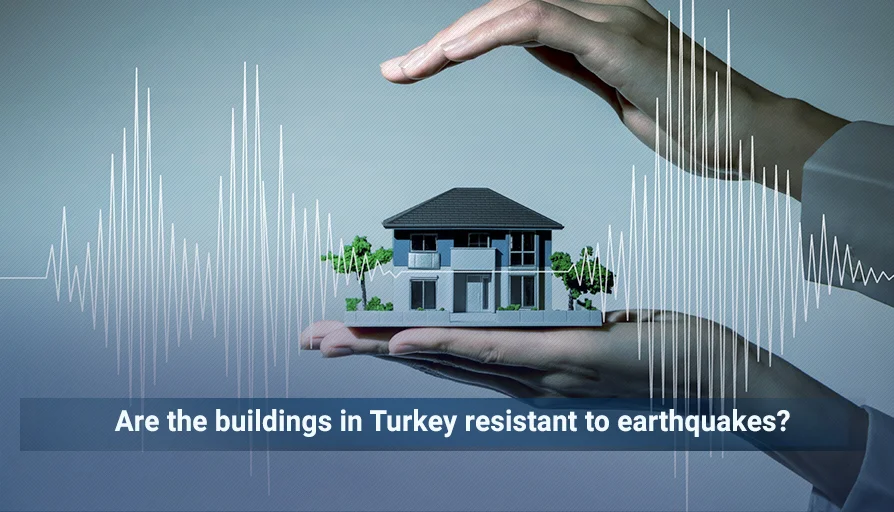
How to Choose an Earthquake-Resistant House in Turkey?
Turkey is located in one of the world’s most active seismic zones. For this reason, choosing an earthquake-resistant house in Turkey is not only a wise decision but also a necessity for long-term safety and investment security. Whether you are a local resident or a foreigner planning to buy property, understanding earthquake-resistant housing standards is essential.
In this guide, you will learn about building regulations, key safety checks, and tips to help you make the right choice.
Why Earthquake Resistance Matters in Turkey
- Turkey lies on the North Anatolian Fault Line, making earthquakes a recurring risk.
- Major cities such as Istanbul, Izmir, and Bursa are in high-risk zones.
- An earthquake-resistant house minimizes structural damage, ensures family safety, and preserves property value.
Key Features of an Earthquake-Resistant House
Compliance with Turkish Earthquake Regulations
- Houses must comply with the Turkish Earthquake Code (Deprem Yönetmeliği).
- Buildings constructed after 2018 generally meet stricter safety standards.
Strong Foundation and Building Materials
- Reinforced concrete and steel structures are preferred.
- Avoid houses built with outdated or low-quality materials.
Soil and Ground Conditions
- Properties should be built on solid, rocky ground, not on soft soil or reclaimed land.
- Request a soil survey report (Zemin Etüdü) before purchasing.
Professional Construction and Supervision
- Check if the building was constructed by a reputable developer.
- Ensure it was inspected and approved by municipal engineers.
Documents to Check Before Buying
- Building License (Yapı Ruhsatı)
- Occupancy Permit (İskan Belgesi)
- Earthquake Compliance Report (Deprem Yönetmeliğine Uygunluk)
- Soil Survey Report (Zemin Etüdü Raporu)
- Title Deed (Tapu)
Earthquake Safety Tips When House Hunting
- Avoid buildings older than 20–25 years unless they have undergone renovation or reinforcement.
- Prefer low-rise buildings (4–6 floors) over high-rise structures in risky zones.
- Inspect the column and beam thickness in parking garages or basements.
- Hire an independent engineer or architect for a technical inspection before purchase.
Earthquake-Resistant Cities and Regions
Some cities and regions in Turkey are considered safer in terms of seismic activity:
- Central Anatolia (Konya, Eskişehir)
- Northern Black Sea region (Trabzon, Rize)
- Certain parts of Antalya with lower seismic activity
Real Estate Investment and Safety
Buying an earthquake-resistant home is not only about safety but also about protecting your financial investment. Properties in compliance with earthquake codes are more attractive for:
- Resale value
- Rental demand
- Residence permit applications for foreigners
Conclusion
Choosing an earthquake-resistant house in Turkey requires careful attention to building codes, construction quality, soil conditions, and legal documents. By following the tips above, you can make a safe investment and ensure the well-being of your family in one of the most beautiful yet seismically active countries in the world.

 Sarıyer, İstanbul, Türkiye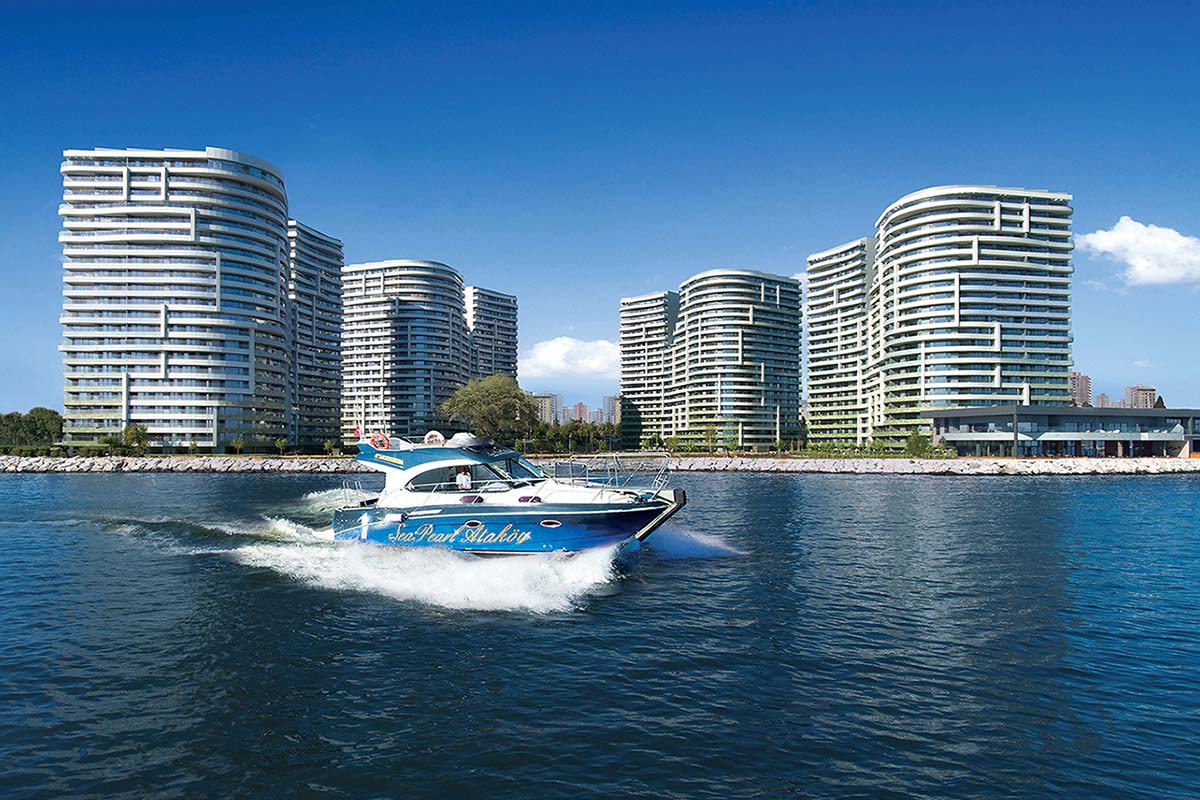


 Sarıyer, İstanbul, Türkiye