







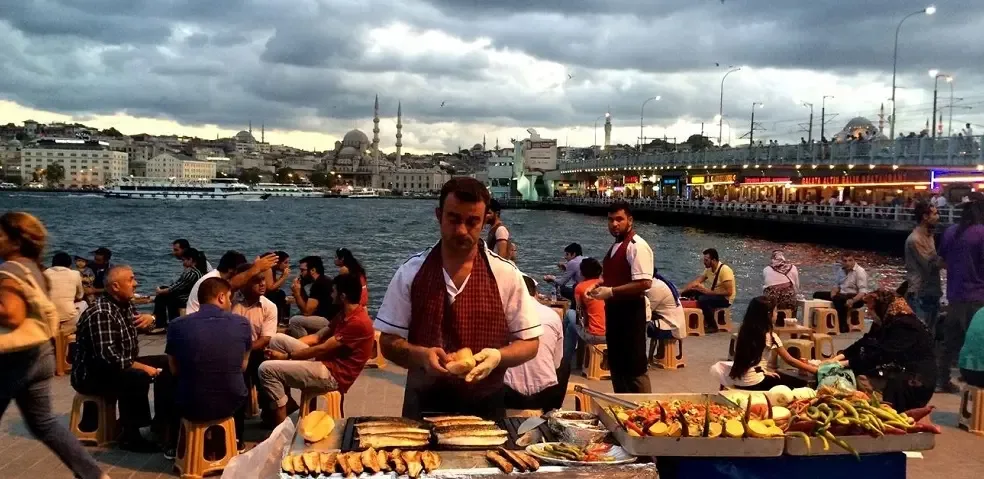
Learning a few everyday food names makes settling into Istanbul easier. A bakery breakfast, a simple lunch and a glass of tea can help you explore a neighbourhood without turning every meal into a sightseeing stop. Use this guide as an introduction, then ask the business about the dish actually being served.
Bakery choices and everyday meals
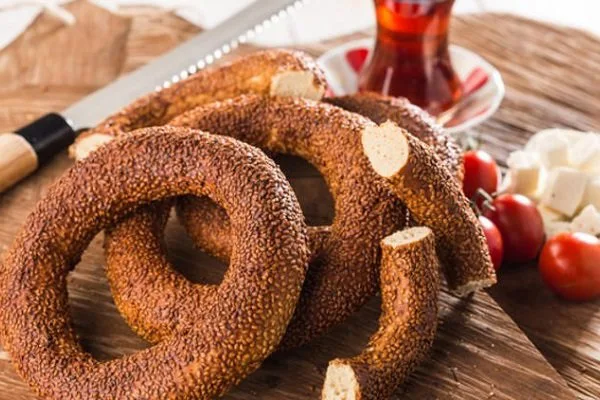
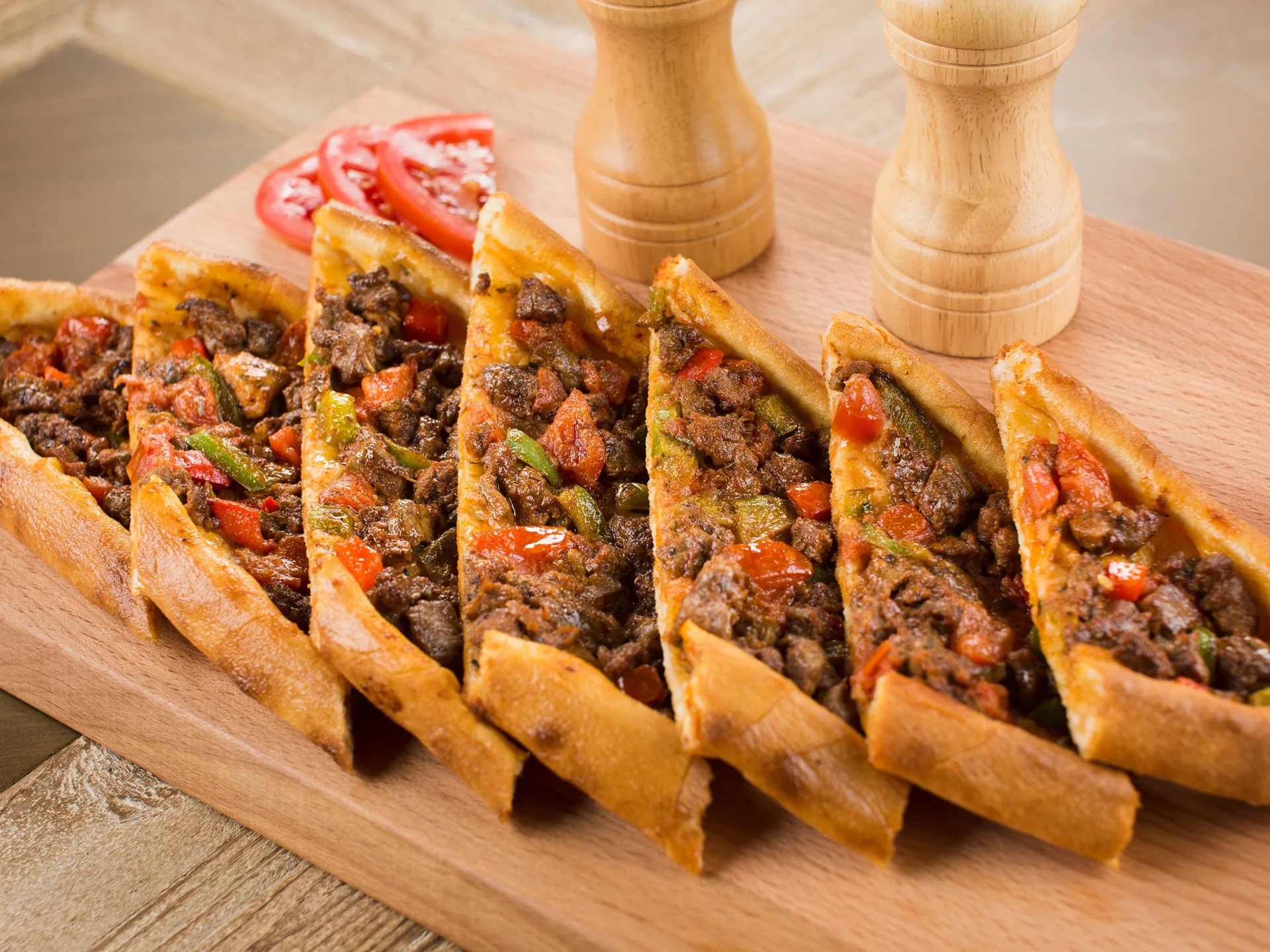
Simit is the sesame-coated bread ring commonly eaten as a snack or part of breakfast. Börek is a layered pastry with fillings that may include cheese, spinach or meat. Pide offers another useful distinction: its boat-shaped bread base can carry different toppings, so check the filling rather than ordering from the name alone.
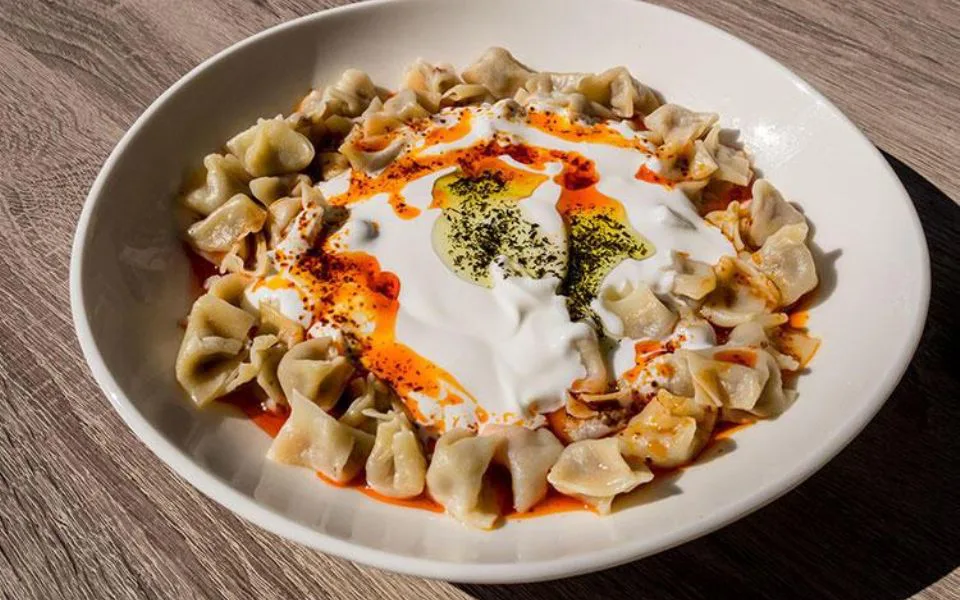
Manti are small dumplings often served with yogurt and sauce. Grilled kebabs and döner are different preparations, and the meat, bread and accompaniments vary. Ask what is included and whether the menu price covers a portion, sandwich or full plate.
Waterfront and street-food choices
Balık ekmek is a fish sandwich associated with Istanbul's waterfront food scene. Midye dolma are stuffed mussels with seasoned rice. Commercial çiğ köfte is commonly sold in a meat-free bulgur-based form; do not translate every shop's product as raw meatballs. Confirm the ingredients of the actual serving.
If you have dietary requirements, ask specifically about fillings, stocks, sauces and preparation. A dish's familiar name does not establish that every version contains the same ingredients. Choose a business whose handling and information you are comfortable with rather than relying on a blanket claim about all street vendors.
Sweets and portions
Baklava commonly combines thin pastry, nuts and syrup; lokum comes in different flavours and forms. Turkish ice cream can have a distinctive elastic texture. Ask how portions are priced and what the product contains, especially when buying by weight or choosing an unfamiliar variety.
A food market and an established neighbourhood shop can serve different needs from a tourist-focused stall. Compare what you would buy regularly, not only the dishes you want to try once.
Tea as an everyday pause
Turkish tea is often brewed using a stacked çaydanlık: a stronger brew in the upper pot is diluted with hot water to the drinker's preference. It is commonly served in a small, narrow-waisted glass. Sugar may be offered separately; strength and sweetness are matters you can ask about.
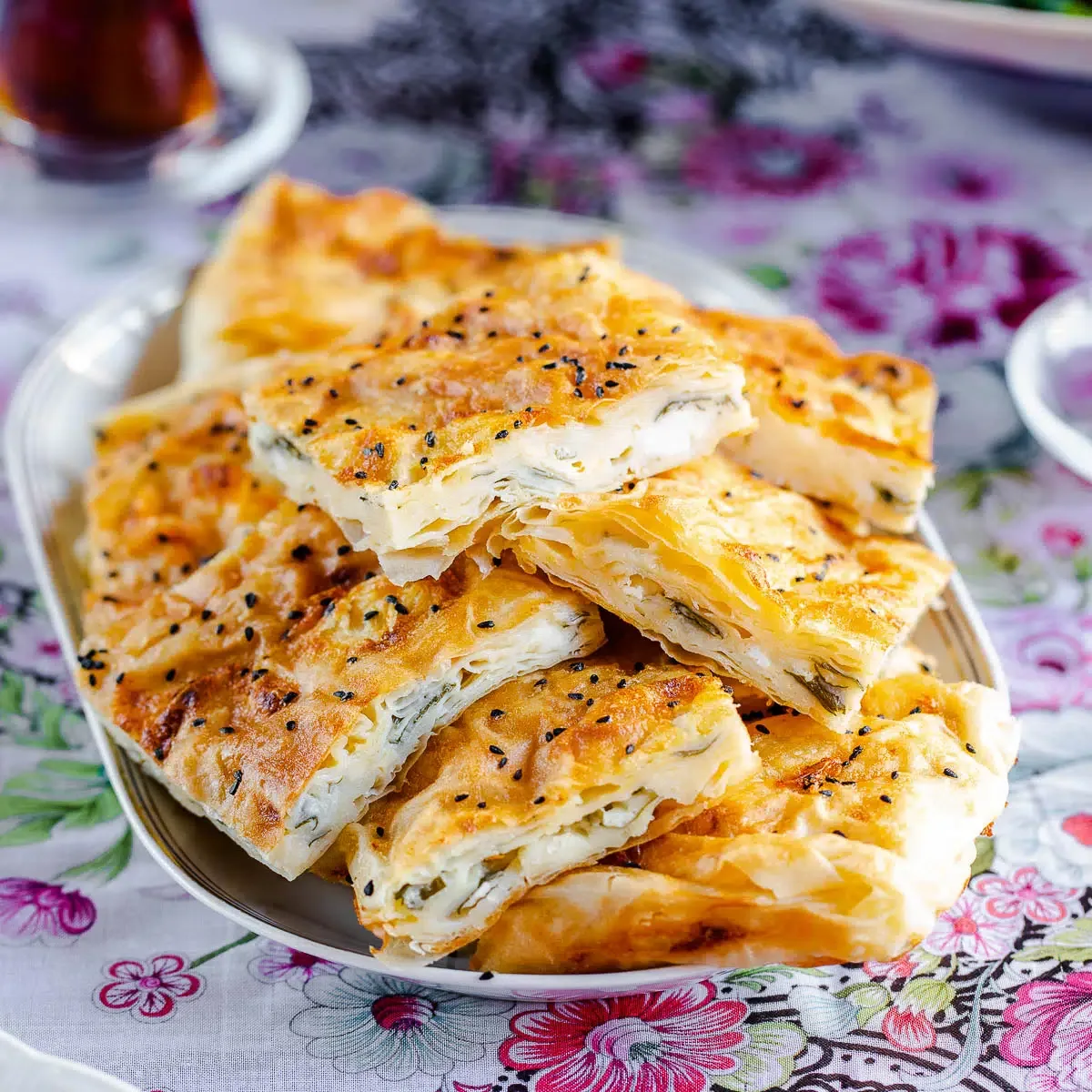
Sharing tea can be a welcoming social moment, but avoid treating every invitation or household habit as a fixed rule. A local tea garden or café is also a useful place to observe the pace and sound of a neighbourhood at different times.
Use food shopping to test a neighbourhood
During a housing search, try an ordinary grocery trip and a simple meal near the candidate home. Check the walk, choice of businesses and whether the routine fits your budget. Pair this with the culture guide and the relocation checklist.

Include walkable shopping and the neighbourhood routine you want in your housing brief. The aim is a place that works after the holiday, not merely one near a famous food stop.



Comments
Comments are published after approval.
No published comments yet. You can be the first to comment.