







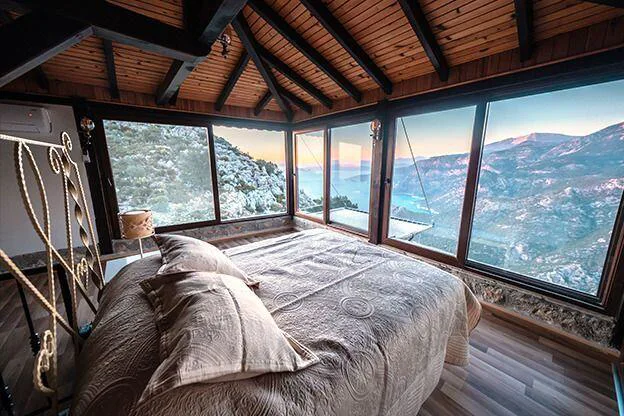
A rural home can offer space and a different daily rhythm, but the view is only part of the buying decision. Legal use, access, utilities and maintenance often matter more once you live there outside a holiday period. Check the actual building and parcel before assuming that a village house, cabin or converted structure can be used as advertised.
Confirm the home is legally the home you are buying
Have the title, registered use, building records and alterations reviewed. Ask whether extensions, terraces, outbuildings or a pool have the necessary approvals. Do not assume that an existing structure or years of occupation resolve every planning issue.
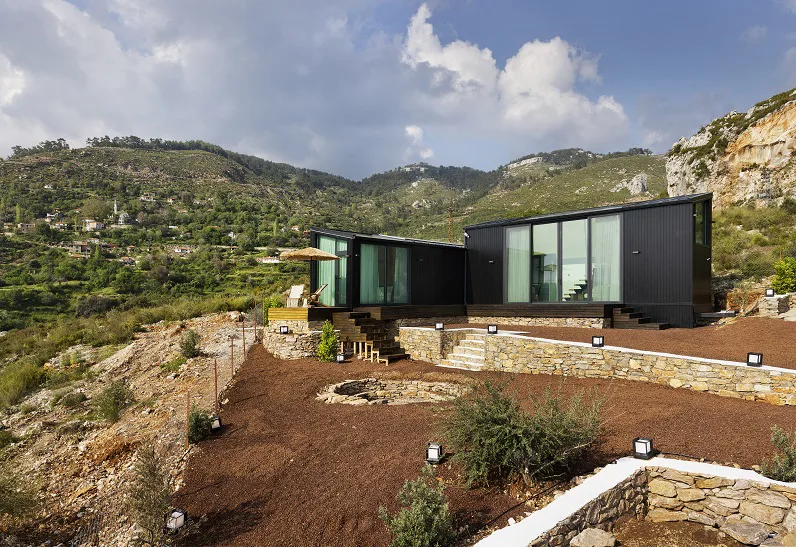
If you intend to rebuild or expand, obtain property-specific advice before pricing the work. Land in a scenic, protected or agricultural setting may carry restrictions. The land-buying guide explains why ownership and permission to build are separate questions.
Test access in the difficult season
Visit the approach road and ask who maintains it. Consider gradients, winter conditions, drainage and access for deliveries or emergency services. A route that is pleasant in dry weather may need a different assessment after heavy rain or snow.
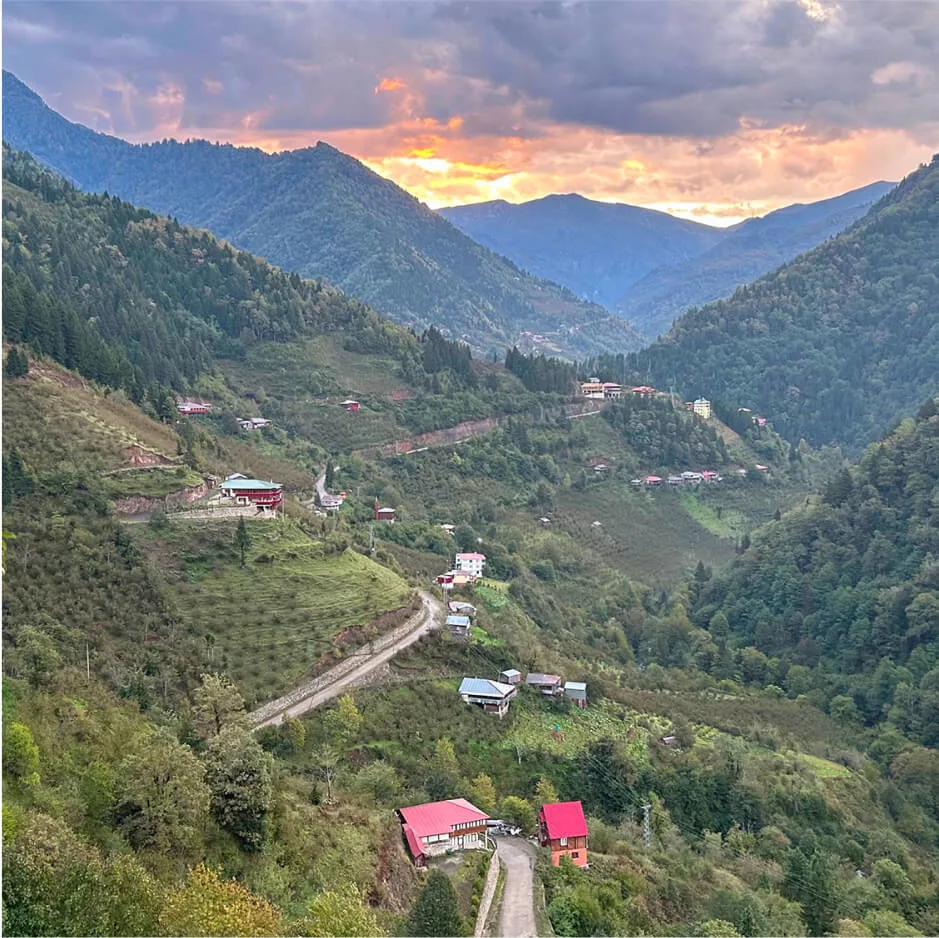
Check the journey to groceries, healthcare and the services you actually use. Do not rely on a map's straight-line distance or a seller's best-case driving time. If a car is essential, include its costs in the comparison with a town property.
Understand utilities and the building's condition
Confirm the water source, wastewater arrangement, electrical supply, heating and internet options. Ask for records and servicing requirements where systems are private. A visible connection or signal on one phone does not establish the reliability or capacity you need.
Commission suitable inspection of the building, including damp, roof condition, insulation and any structural concerns. Traditional construction and exposed sites may require particular maintenance skills. Get quotations from people who can actually service the location.
Plan for absence and routine care
If the home will be empty for months, arrange inspections, leak response, ventilation and security appropriate to the property. Establish how a local contact can reach you and what spending they may authorise. Gardens, access roads and exterior materials can add work beyond the interior rooms.
Compare the annual budget with the holiday-home ownership plan, including periods with no rental income. Avoid assuming that attractive scenery guarantees demand or that short-term letting will be permitted.
Describe the rural setting you want along with your access and utility requirements. Clear practical limits make it easier to distinguish a suitable home from an appealing photograph.




Comments
Comments are published after approval.
No published comments yet. You can be the first to comment.